
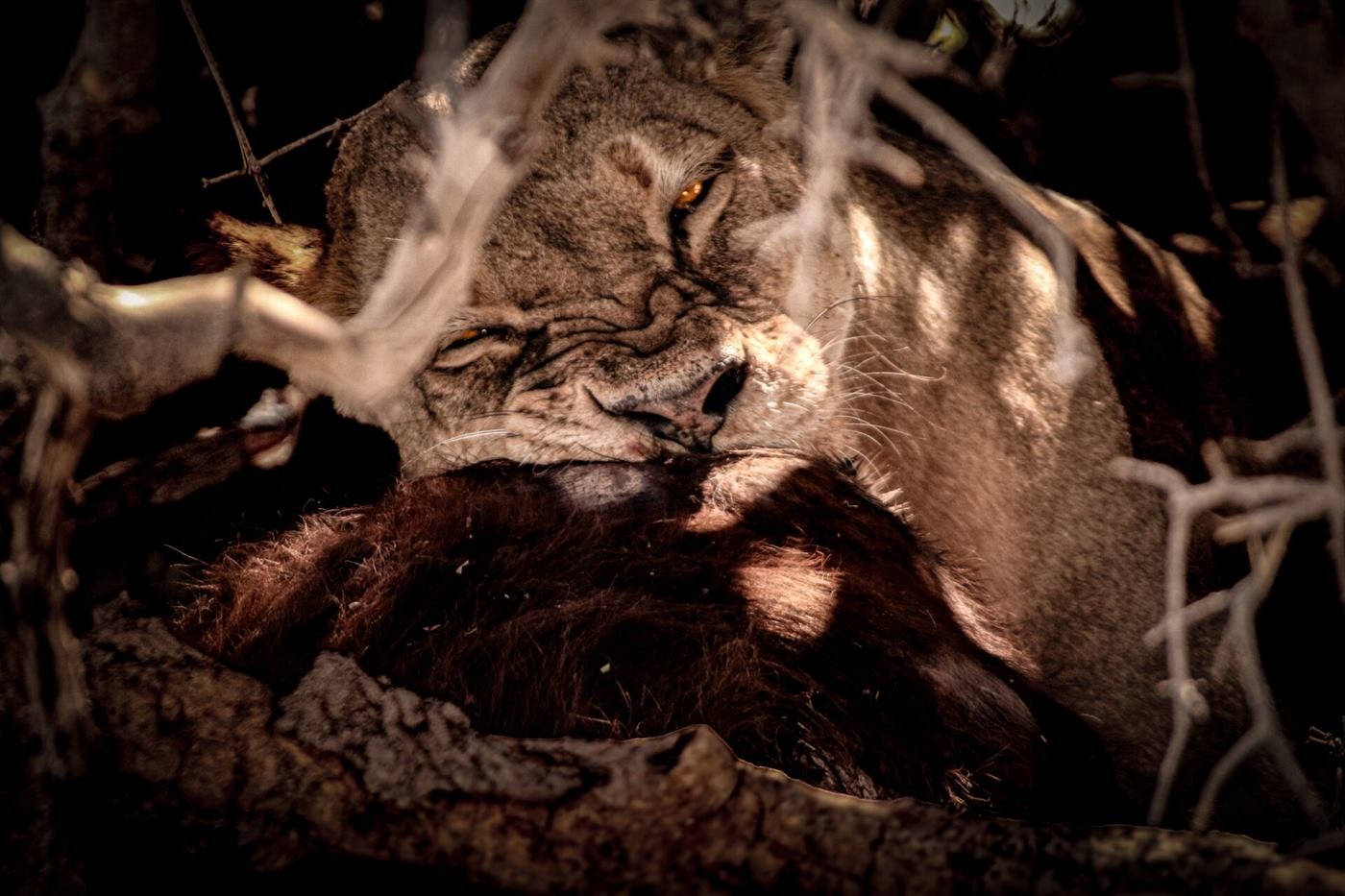
Lion resting in dappled shade on a Zimbabwe safari in Mana Pools National Park

Zimbabwe safaris

Eight Zimbabwe safari packages from 2 to 11 nights — Hwange, Mana Pools, the Matobo Hills, Lake Kariba and Victoria Falls, arranged as one trip from US$950 per person sharing.

A Zimbabwe safari combines four genuinely different landscapes inside one country: Hwange National Park and its elephant herds, Mana Pools on the Zambezi floodplain where you may walk and canoe, the granite whalebacks and rhino of the Matobo Hills, and Victoria Falls itself, of which Zimbabwe holds roughly 75 percent of the frontage. Our Zimbabwe safari packages run from US$950 per person sharing for two nights at the falls to US$8,650 for a seven-night luxury fly-in.

About Zimbabwe

Zimbabwe sits between the Zambezi and the Limpopo, landlocked and roughly the size of Germany, and it packs an unusual amount of variety into that space. The north is dominated by the Zambezi — Victoria Falls at its western end, Lake Kariba in the middle, and the Mana Pools floodplain further east. The west holds Hwange, the country’s largest national park. The south rises into the Matobo Hills, a landscape of balanced granite boulders that holds one of the densest concentrations of rock art in the world and the highest density of black eagles. The east climbs into the Eastern Highlands, cool tea and coffee country that looks nothing like the rest of the country.

English is an official language and is spoken throughout the tourism industry. The US dollar is the working currency for visitors, and prices for lodges, activities and park fees are quoted and paid in USD. The time zone is UTC+2 year-round with no daylight saving, shared with Zambia and Botswana, so crossing a border never changes your watch. Most nationalities receive a visa on arrival.

We are based in Victoria Falls, in Zimbabwe, which is the practical reason these itineraries hold together — we book the same rates you would pay direct, and we are in the country when something needs fixing.

What makes Zimbabwe different

Four things Zimbabwe offers that its neighbours largely do not.

The best-trained guides in Africa

Zimbabwe’s Professional Guide licence is widely regarded as the hardest in Africa to earn — several years of apprenticeship, written and practical examinations, and a dangerous-game qualification. The practical result is that walking safaris are normal here rather than exceptional, and the person in front of you can read tracks, birds and behaviour rather than simply drive to a sighting.
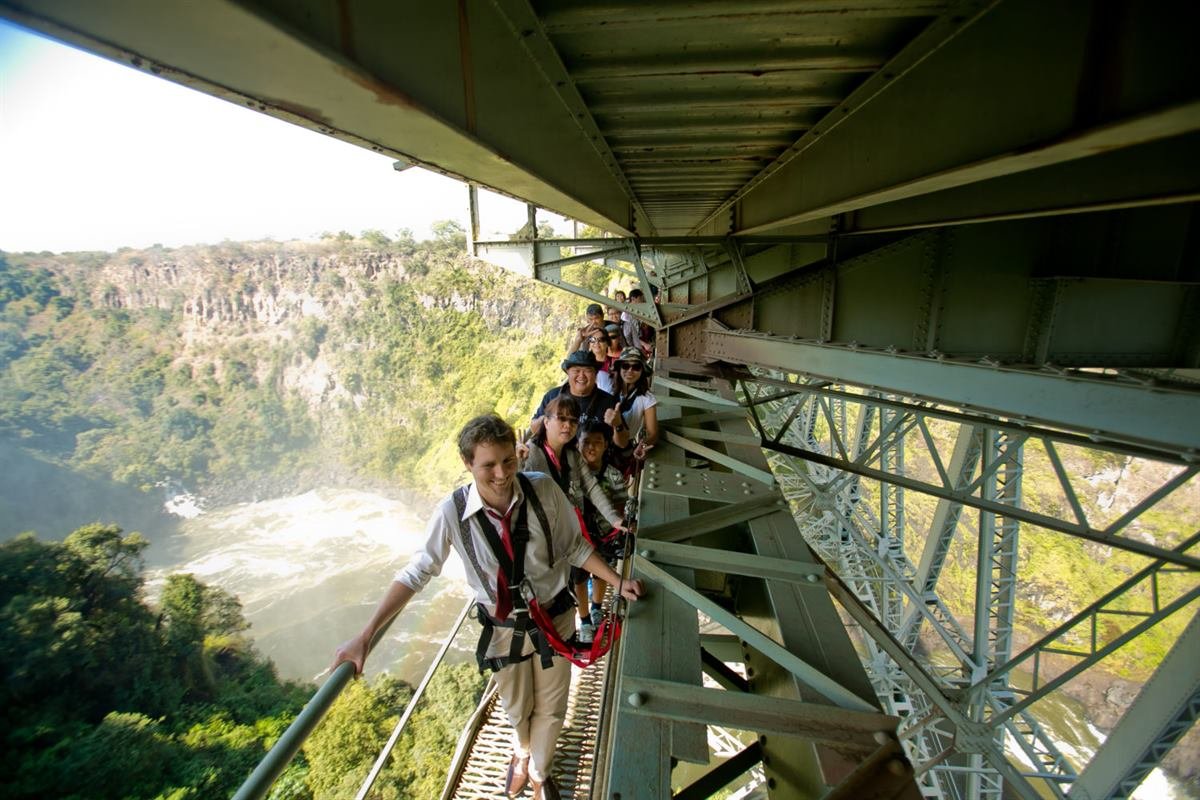
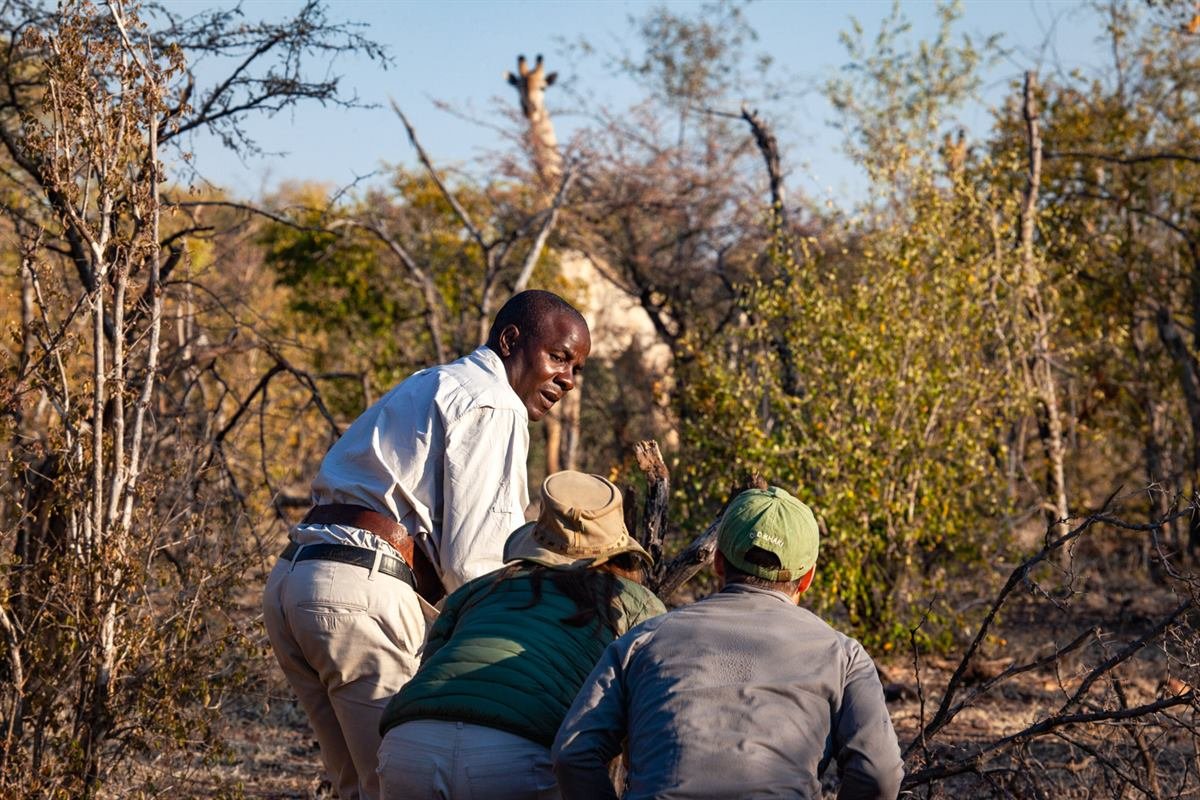
Mana Pools, where you may walk unescorted

Mana Pools is a UNESCO World Heritage Site and one of very few parks in Africa where visitors are permitted on foot without an armed escort. The Zambezi floodplain, with its albida woodland and long light, is where the famous images of elephants standing on their hind legs to reach seed pods come from. Canoe safaris run on the river itself. Most camps close through the wet season.

Hwange’s elephants, and its waterholes

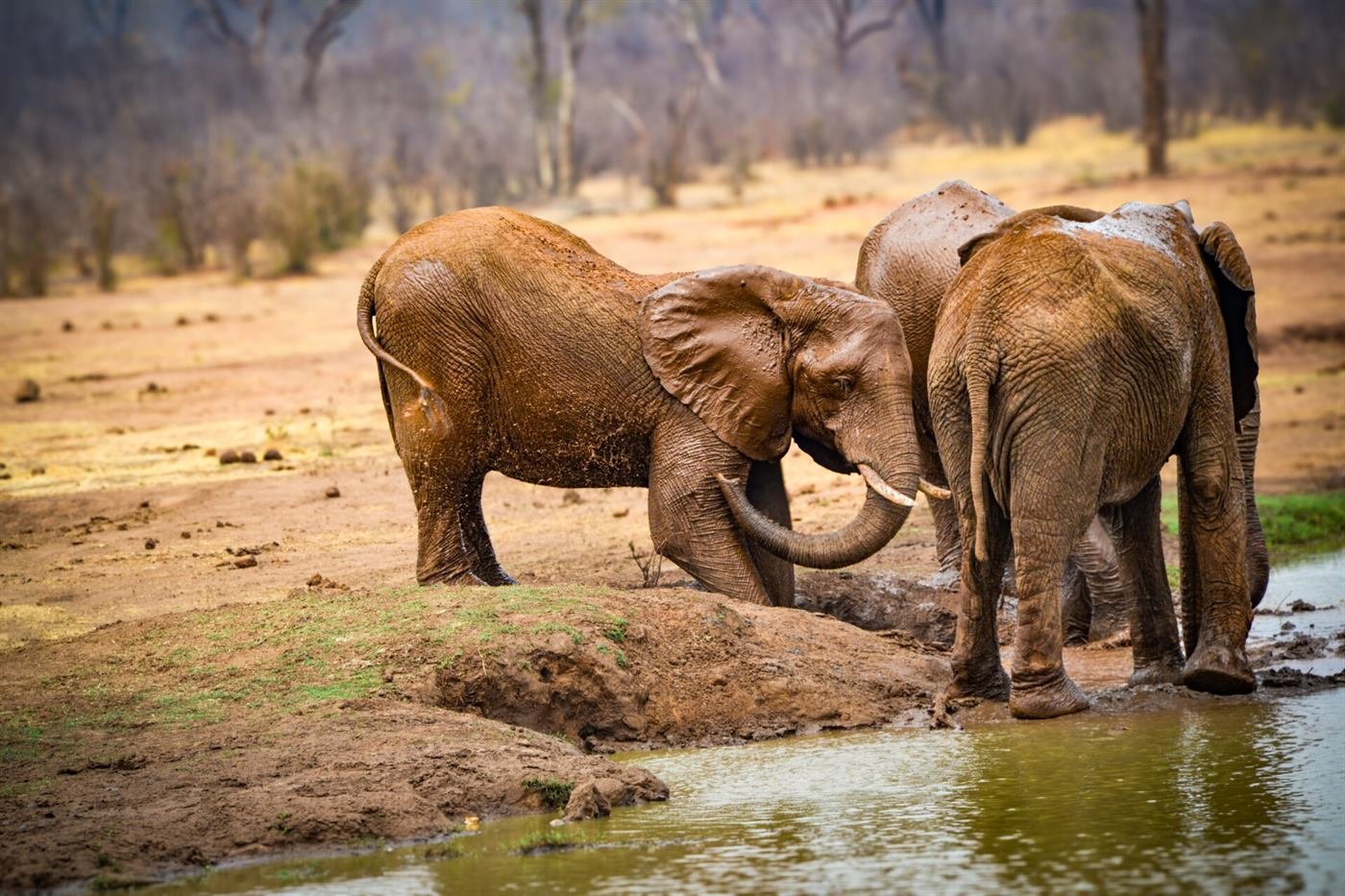
Hwange has no permanent natural water across much of its area, so the park pumps a network of waterholes through the dry season. Game concentrates on them in a way that is genuinely unusual — in September and October a single pan can hold several hundred elephant through an afternoon. It is Zimbabwe’s largest park at roughly 14,600 km2 and sits about two hours from Victoria Falls.

Three quarters of Victoria Falls

The border runs down the Zambezi, and Zimbabwe holds about 75 percent of the falls frontage with sixteen viewpoints along the rainforest path. The Zimbabwean side keeps a curtain of water year-round, where the Zambian face can run nearly dry from September to December. It also means a Zimbabwe safari can start or end at the falls without a border crossing.

Zimbabwe safari packages

Eight itineraries from 2 to 11 nights. Accommodation, transfers, meals and listed activities are arranged as one trip, with published rates per person sharing.

Explorers Village chalets and grounds on the 2 night Zimbabwe budget package
2, 3 or 4 nights

Explorers Village Package

The falls, a Zambezi dinner cruise, The Boma and your pick of activity — all in.

From US$950 pp sharing View
Elephants at the waterhole in front of Victoria Falls Safari Lodge, Zimbabwe
2, 3 or 4 nights

Victoria Falls Safari Lodge

Waterhole-facing rooms, a high tea cruise and a full day in Chobe.

From US$1,487 pp sharing View
The Victoria Falls Bridge and gorges overlooked by The Victoria Falls Hotel, Zimbabwe
2, 3 or 4 nights

The Victoria Falls Hotel

A century of history above the bridge, a bush dinner and a day in Chobe.

From US$1,457 pp sharing View
Elephants drinking at a Hwange National Park waterhole on a 10 night Zimbabwe safari
11 days · 10 nights

Hwange & Matusadonha

The Hide and Bomani by rail car, then four nights on Lake Kariba.

Rate on request View
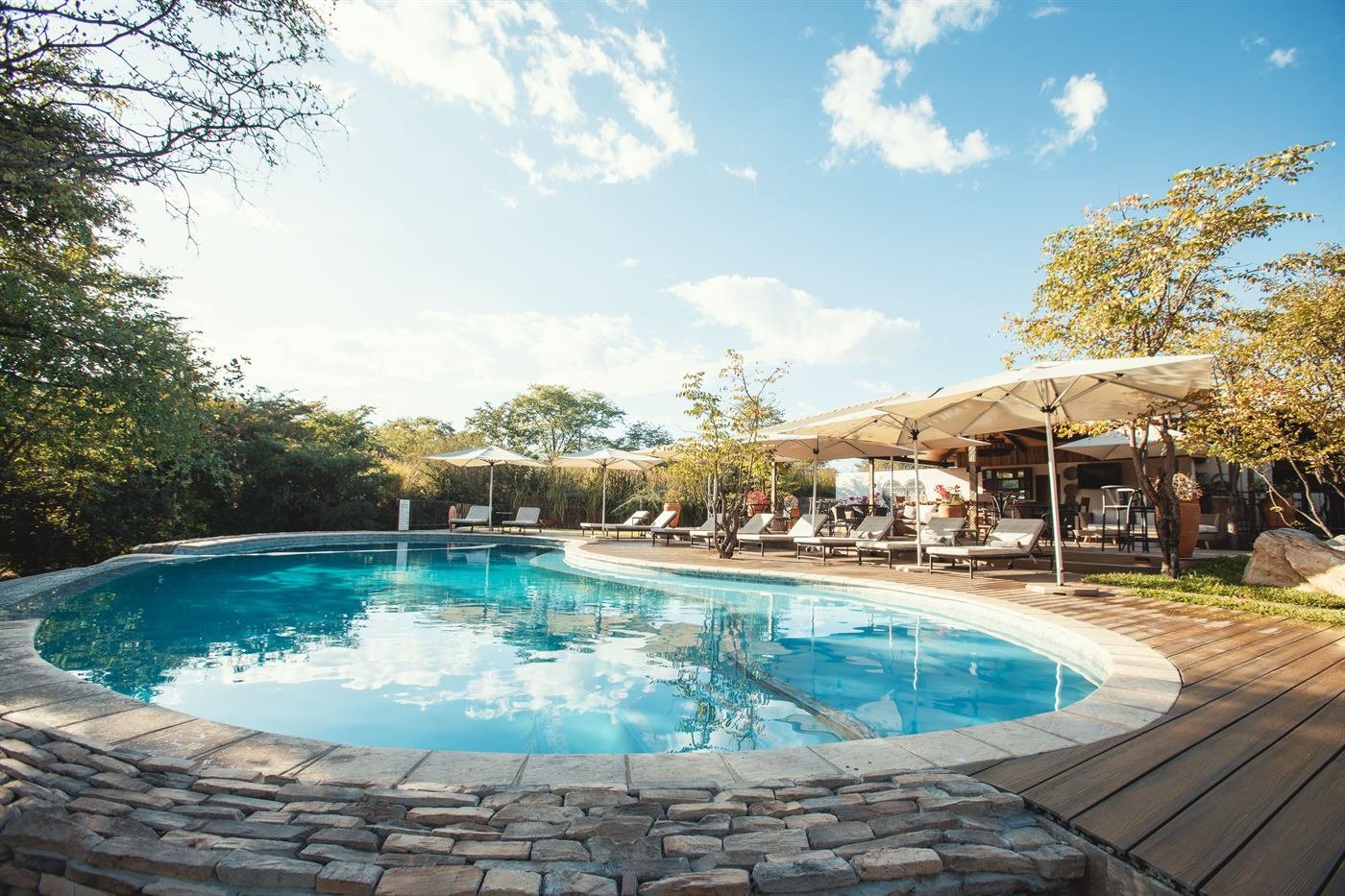
Pool deck and loungers at a lodge on the Zimbabwe Eastern Circuit
12 days · 11 nights

Zimbabwe Eastern Circuit

Harare, the Eastern Highlands, Great Zimbabwe, Matobo, Hwange and the falls.

From US$4,851 pp sharing View
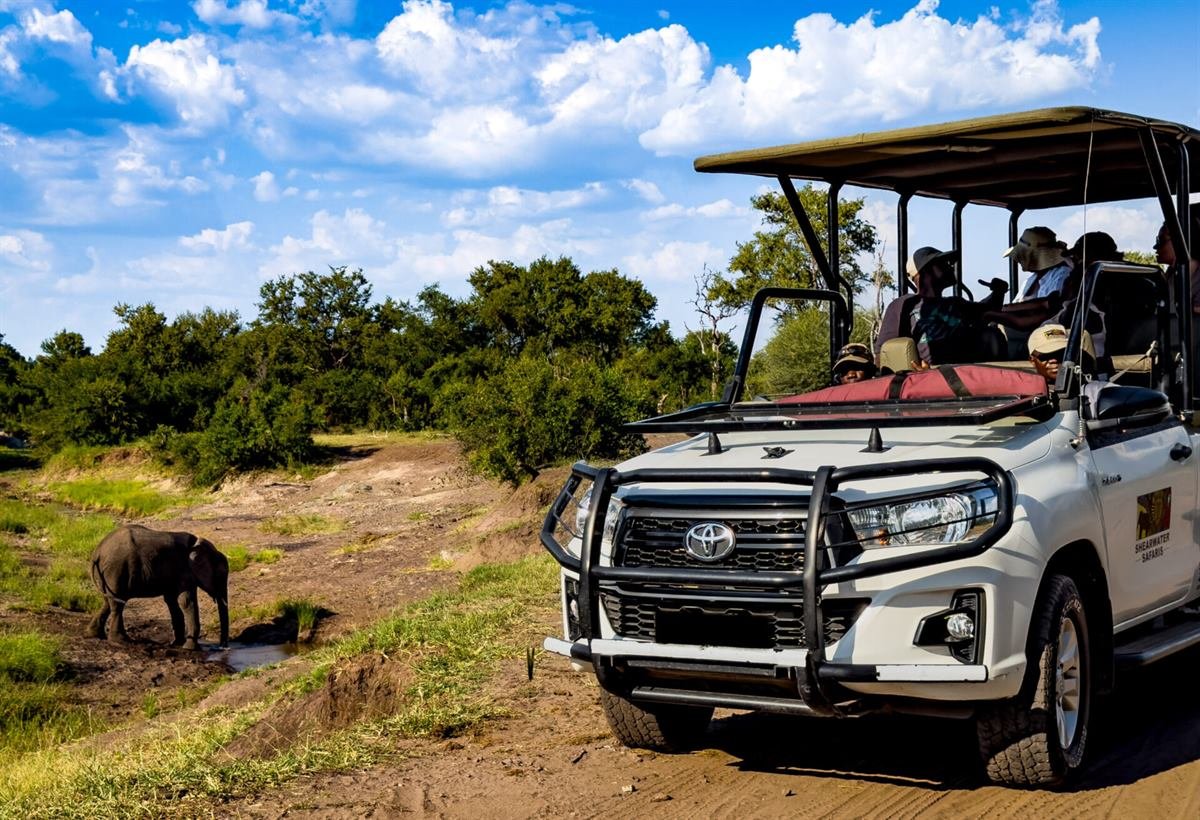
Open game drive vehicle on the Zimbabwe Northern Circuit camping safari
12 days · 11 nights

Zimbabwe Northern Circuit

Camp Zambezi at Mana Pools, a Kariba houseboat and two nights under canvas.

From US$5,868 pp sharing View

Zimbabwe safari questions

Is Zimbabwe good for safari?

Yes, and it is under-visited relative to its quality. Zimbabwe produces the most highly trained guides in Africa — the Professional Guide licence takes years to earn and permits walking safaris that most countries do not allow. Hwange holds one of the largest elephant populations on the continent, and Mana Pools is a UNESCO World Heritage Site where you may track game on foot. Park fees and lodge rates also sit below the equivalent product in Botswana.

How many days do I need for a Zimbabwe safari?

Seven nights is the honest minimum for a true safari, which lets you combine Victoria Falls with Hwange and one more area. Two to four nights covers the falls and a day trip, but that is a falls trip rather than a safari. Ten to eleven nights allows the full circuit — the Matobo Hills and Great Zimbabwe on the Eastern Circuit, or Mana Pools and Lake Kariba on the Northern Circuit.

How much does a safari in Zimbabwe cost?

Our packages run from US$950 per person sharing for two nights at Victoria Falls to US$8,650 for a seven-night luxury fly-in through Hwange and Mana Pools. A realistic figure for a seven-night safari combining the falls with one or two parks is US$3,300 to US$4,600 per person sharing at budget to mid-range grade. Park and government fees are always shown in a separate column, because operators collect them at check-in rather than in the package price.

When is the best time for a Zimbabwe safari?

August to October is the strongest game-viewing window — water is scarce, animals concentrate at waterholes and the bush has thinned, though October is hot. June and July are cooler and comfortable with good game viewing. February to May gives peak water at the falls but thick bush and harder game viewing, and many Mana Pools camps close from roughly December to March. See the full seasonal guide.

Are safaris in Zimbabwe safe?

Yes. The tourism areas are calm and the guiding standard is the highest in the region, which matters more than anything else on a walking or canoe safari. Normal travel precautions apply in towns. The genuine hazards are wildlife rather than crime, which is why camps escort guests after dark and why you follow your guide’s instructions on foot without exception.

What should I wear and pack for a Zimbabwe safari?

Neutral colours — khaki, olive, stone — and never camouflage, which is illegal for civilians in Zimbabwe. Layers matter more than volume: a June dawn game drive is near freezing while the same afternoon reaches 25 C. Bring closed walking shoes, a fleece, a light waterproof for the rainforest spray at the falls, a hat, high-factor sunscreen, repellent and binoculars. Charter flights into Hwange and Mana Pools cap luggage at 15–20 kg in a soft bag.

What is the best safari near Victoria Falls in Zimbabwe?

Hwange National Park is the natural pairing — Zimbabwe’s largest park, roughly two hours by road from Victoria Falls, known for very large elephant herds at pumped waterholes in the dry season. A day trip is possible, but two or three nights inside the park is a different experience. Chobe in Botswana is closer still at about 80 km and works well as a day trip.

Do I need a visa for Zimbabwe?

Most nationalities receive a visa on arrival at Victoria Falls Airport, Harare or the land borders. If your trip crosses into Zambia, the KAZA UniVisa covers both countries on one entry and permits Botswana day trips. Eligibility and fees change without much notice, so verify against your own passport rather than relying on a summary. More detail in the travel guide.

Plan your Zimbabwe safari

Tell us how long you have and what you want to see. We come back with a routing that works in the season you are travelling — not a template.