
Victoria Falls at high water seen from the rainforest viewpoint on the Zimbabwe side

The best time to visit Victoria Falls

Water levels, weather, visas and the Zambia-or-Zimbabwe question — answered by people who live here.

When should you go?

The best all-round time to visit Victoria Falls is June to August. The Zambezi still carries strong flow from the rains, so the falls are genuinely impressive, but the spray has dropped enough to see and photograph them. The bush has thinned for game viewing, and daytime temperatures are comfortable. Go February to May if raw volume is what you want, or August to November for the clearest views and for low-water activities like Devil’s Pool.

Victoria Falls at peak water flow between February and May

Feb – May · Peak flow

The falls at maximum volume. April is usually the highest. The spray plume rises over 400 m and is visible from 50 km away — spectacular, but it hides much of the Main Falls from the ground. You will get wet. Rafting on the high-water section closes.
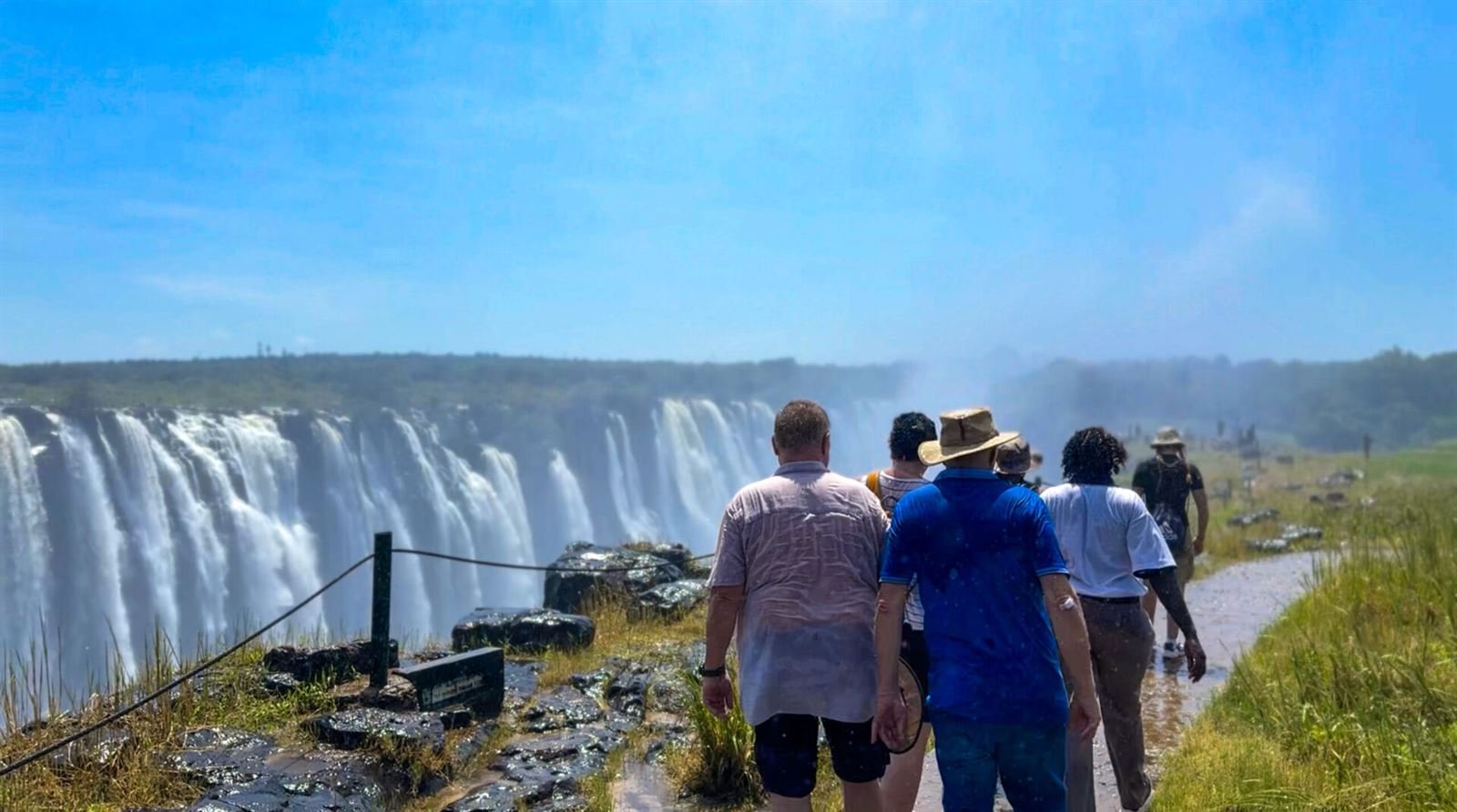
Best balanceVictoria Falls in June to August with strong flow and reduced spray

Jun – Aug · The sweet spot

Strong flow, clearing spray, cool mornings and mild days. Game viewing in Hwange and Chobe is improving fast as water dries up inland. This is peak tourist season, so book accommodation well ahead.

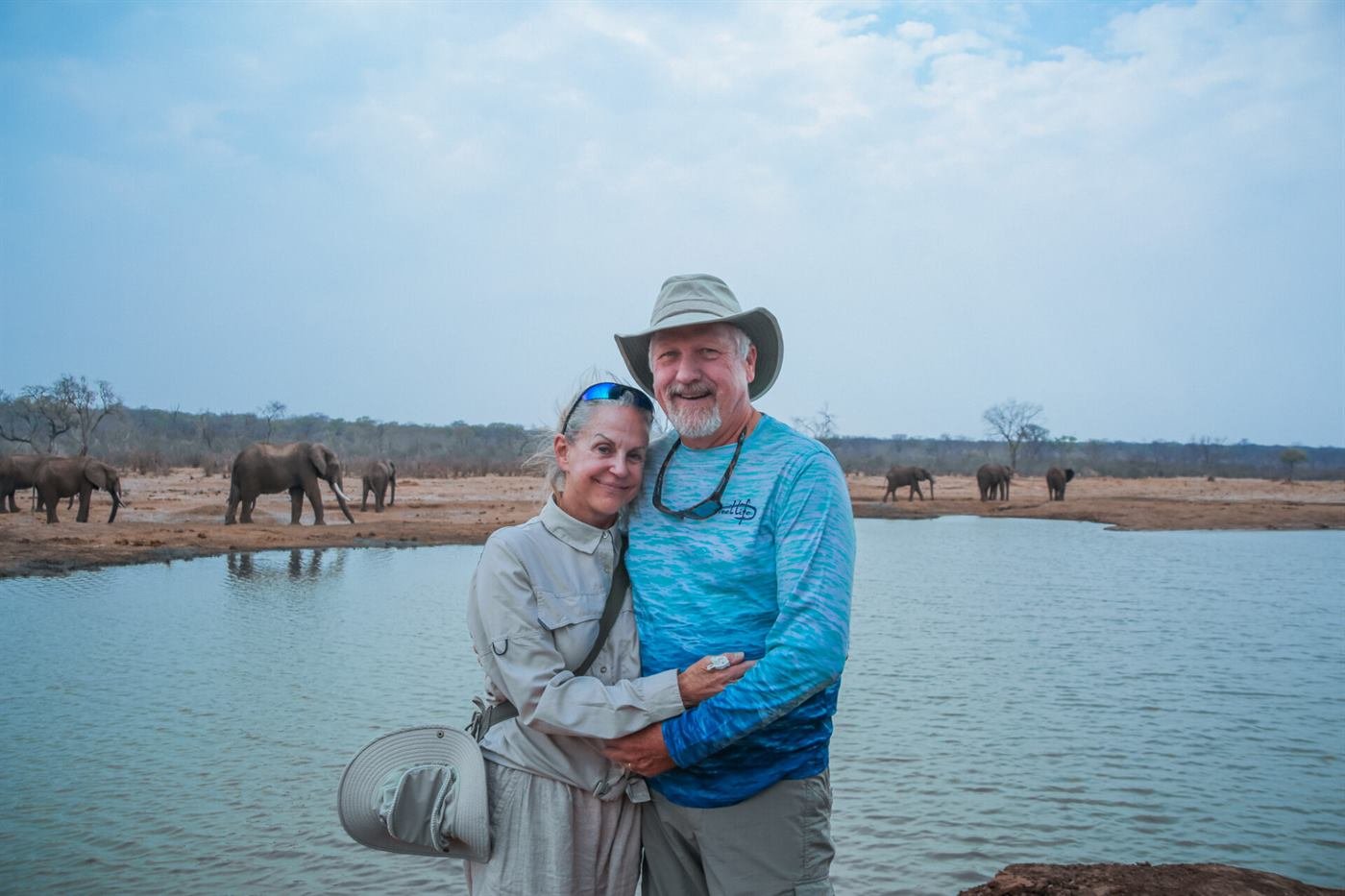
Elephants at a waterhole during the September to November dry season near Victoria Falls

Sep – Nov · Low water

The basalt structure of the falls is fully exposed and photography is at its best. Devil’s Pool and low-water rafting open. Game viewing peaks. The trade-off is heat — October regularly exceeds 38 °C.

Victoria Falls month by month

Water level, weather and what is open. Figures are typical rather than guaranteed — the Zambezi responds to rainfall in the catchment as far away as Angola.

Victoria Falls water level, weather and activity availability by month
MonthWater levelWeatherGame viewingNotes
JanuaryRisingHot, afternoon stormsFair · green seasonQuiet and cheap. Devil’s Pool usually still open early in the month.
FebruaryHighHot, humid, wetFairFalls building towards peak. Green, lush and few visitors.
MarchHighWarm, rain easingFairVolume strong, spray increasing. Good value.
AprilPeakWarm, dryingFair to goodUsually the highest water of the year. Maximum spray — take a raincoat.
MayVery highMild, dryGoodEnormous volume with slightly better visibility than April.
JuneHighCool mornings, mild daysGoodExcellent balance. Cold at dawn on game drives — bring a fleece.
JulyStrongCool and dryVery goodPeak season begins. Book accommodation months ahead.
AugustModerateWarming, dryVery goodBest all-round month for most travellers. Rafting reopens on the full run.
SeptemberLowHot, dryExcellentClear views of the falls’ structure. Devil’s Pool opens. Superb game viewing.
OctoberLowestVery hotExcellentPeak game viewing but 38 °C+ is common. The Zambian face may be dry.
NovemberLowest / risingHot, first rainsVery goodDramatic skies, low prices, and the bush greening up.
DecemberRisingHot, wetGoodFestive season fills lodges despite the rain. Birding excellent.

Best time to visit Chobe National Park

May to October, and especially August to October. As seasonal pans dry, elephant and buffalo concentrate on the Chobe River in very large numbers and the thinned bush makes them easy to see. November to March brings excellent birding and green landscapes, but the game disperses inland.

Best time for Hwange National Park

July to October. Hwange’s game viewing is built around pumped waterholes, and by late dry season those waterholes are the only water for miles. September and October produce the largest elephant congregations, at the cost of considerable heat.

Zambia or Zimbabwe — which side has the better view?

Zimbabwe has roughly 75% of the waterfall frontage and 16 viewpoints, so it gives the better overall view in most conditions and is the stronger choice if you only see one side. Zambia offers closer, more dramatic access at low water — including Devil’s Pool and the Knife Edge Bridge — but much of its face runs dry between September and December.

Comparison of the Zimbabwe and Zambia sides of Victoria Falls
Zimbabwe sideZambia side
Share of the fallsAbout 75%About 25%
Viewpoints16, along the rainforest pathFewer, but much closer to the water
Best at high waterYes — the panoramic view still readsVery wet; visibility often poor
Best at low waterStill good; structure fully visibleFace can run almost dry Sep–Dec
Signature experiencePanoramic rainforest walkDevil’s Pool and Knife Edge Bridge
Base townVictoria Falls — walkable, compactLivingstone — 11 km from the falls
Scenic flightsHelicopterMicrolight

If you have three days or more, see both. The bridge crossing takes 30–40 minutes, and the KAZA UniVisa makes it a single formality rather than two.

Visas

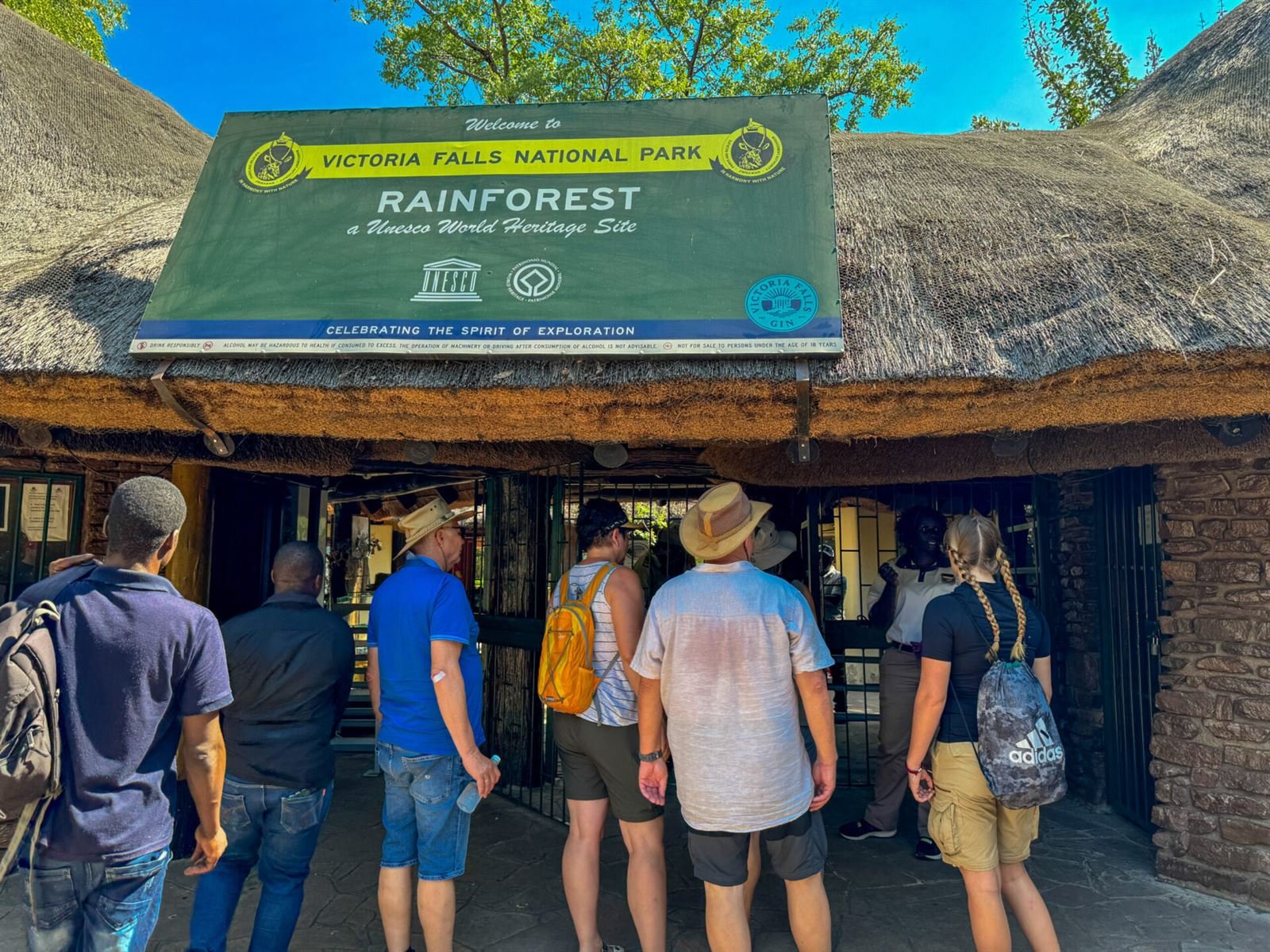
Most nationalities can obtain a Zimbabwe visa on arrival at Victoria Falls Airport or the land borders. If you plan to see both sides, the KAZA UniVisa covers Zimbabwe and Zambia on a single entry and also permits day trips into Botswana at Kazungula.

  • Single entry — Zimbabwe only, one crossing.
  • Double entry — if you will cross to Zambia and return.
  • KAZA UniVisa — Zimbabwe and Zambia, valid 30 days, plus Botswana day trips. Not available to every nationality.
  • Botswana — visa-free for many nationalities on a day trip to Chobe.
  • Passport — six months’ validity beyond travel and at least two blank facing pages.

Verify before you travel. Visa categories, fees and UniVisa eligibility change without much notice. Check the current position against your own passport with the relevant embassy — and tell us your nationality when you book so we can flag anything unusual on your route.

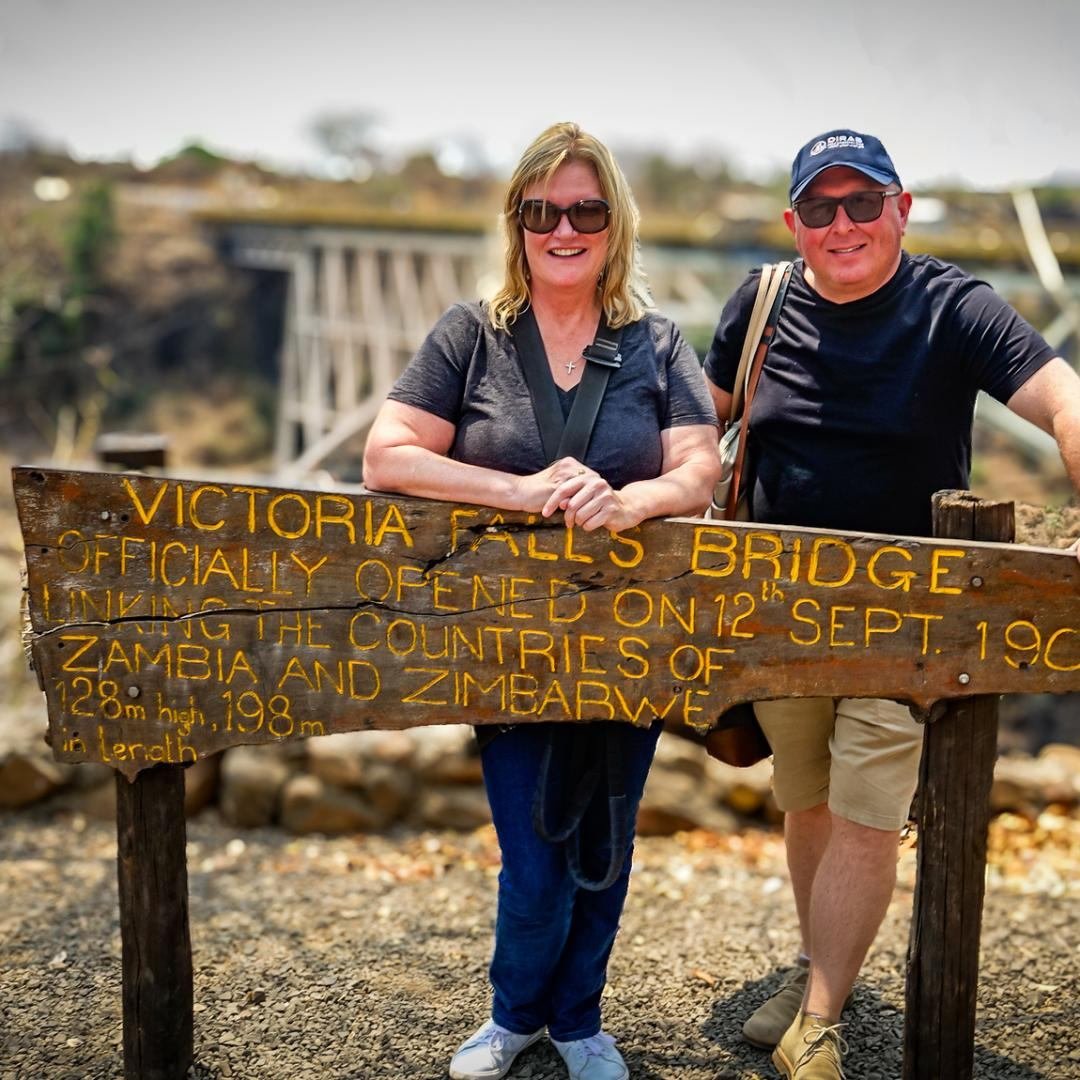
Travellers at the Victoria Falls Bridge border sign between Zimbabwe and Zambia

Malaria & yellow fever

Victoria Falls is not malaria free. It sits in a low to moderate risk zone, with risk highest in the wet season from November to April. Prophylaxis is commonly advised. Yellow fever vaccination is not required for travellers arriving from Europe, North America or most of Asia, but a certificate is required if you arrive from, or have recently transited, a country with risk of transmission.

Malaria

Risk is highest November–April. Use repellent at dusk and after dark, cover arms and legs in the evening, and sleep under a net where one is provided. Discuss prophylaxis with a travel clinic against your own medical history — this is not advice we are qualified to give.

Yellow fever

Not required from most origins. A certificate is required if arriving from or transiting a risk country — which catches travellers routing through parts of East and West Africa. Check your full routing, not just your departure country.

Water and food

Tap water in Victoria Falls town is generally treated, but bottled or filtered water is the usual choice for visitors and is provided at most lodges. Restaurant and lodge food is prepared to a good standard; stomach upsets here are uncommon.

This is general orientation, not medical advice. Consult a travel clinic or your doctor about vaccinations and prophylaxis for your specific itinerary, health and medication.

Practical questions

What currency is used in Zimbabwe?

The US dollar is used for tourism throughout Victoria Falls — hotels, activities, restaurants and park fees are all priced and paid in USD. Bring small denominations; change for large notes can be difficult. The local ZiG currency exists but visitors rarely need it.

Are credit cards widely accepted?

At hotels, established restaurants and larger operators, yes — Visa and Mastercard mostly. Card systems do go down with connectivity, so carry enough USD cash to cover a day or two of spending, park fees and tips. ATMs are unreliable for foreign cards.

What is the climate like in Victoria Falls?

Subtropical with three seasons. Cool and dry from May to August, with cold dawns and mild days around 25 °C. Hot and dry from September to November, regularly above 35 °C. Warm and wet from December to April, with afternoon thunderstorms rather than all-day rain.

What should I pack?

Neutral-coloured layers, a fleece for early game drives from May to August, a light waterproof for the rainforest spray, closed walking shoes, a hat and high-factor sunscreen. For charter flights to Hwange or Mana Pools, a soft bag of about 15 kg — hard cases will not fit.

What is the time zone?

Central Africa Time, UTC+2, all year — Zimbabwe does not observe daylight saving. Zambia and Botswana are on the same time, so crossing borders never changes your watch.

Which electrical plugs are used?

Zimbabwe uses 240 V at 50 Hz with Type D and Type G sockets — the British three-pin and the older round-pin. Bring a universal adapter. Most lodges have generator or solar backup, but charge camera batteries when power is on rather than assuming it will be.

Is Victoria Falls safe?

Victoria Falls is a small tourism town and is generally safe, with a visible tourist police presence. Normal precautions apply: avoid walking alone late at night, use hotel safes, and be firm but polite with street vendors. The genuine hazards are wildlife — baboons, warthog and occasionally elephant move through town — so do not leave food visible and do not walk between lodges after dark.

Do animals roam the streets?

Yes, and it is not unusual. Warthog graze on verges, baboons and vervet monkeys work the hotel grounds, and elephant and buffalo do move through town at night — which is why lodges escort guests to rooms after dark. Keep your distance, never feed anything, and close balcony doors.

Can I fly a drone in Victoria Falls?

Not without prior authorisation. Zimbabwe requires drones to be registered and flights permitted by the Civil Aviation Authority, and the falls and national parks are controlled airspace with scenic flight traffic. Drones are routinely confiscated at the airport when brought in undeclared. Apply well in advance, or leave it at home.

Do lodges have Wi-Fi?

Almost all Victoria Falls town properties have Wi-Fi in rooms and public areas, and it is generally adequate for messaging and email. Bush camps in Hwange and Mana Pools often have limited or no connectivity by design — treat those nights as offline and tell people at home in advance.

What language is spoken in Zimbabwe?

English is an official language and is spoken universally in tourism. Shona and Ndebele are the most widely spoken first languages — Ndebele in the Victoria Falls and Matabeleland region. A greeting in the local language is always well received.

Still deciding when to come?

Tell us what matters most — the waterfall, the wildlife, or the budget — and we will tell you which months actually deliver it.